

Learn how lightning detection systems help parks, campuses, venues, and facilities protect people before summer storms turn dangerous.
During the summer, outdoor spaces get busier at the same time thunderstorms become more frequent and fast-moving. Parks fill with families. Athletic fields host practices, tournaments, and camps. Pools, water parks, golf courses, concerts, festivals, campuses, and industrial worksites all see more people outside for longer periods of time.
That combination creates a serious public safety challenge: when lightning develops nearby, people need clear instructions quickly enough to take shelter before the threat reaches them.
That is where lightning detection systems and integrated mass notification solutions become so important. A weather app may tell someone a storm is nearby, but it does not create a coordinated response across a park system, campus, facility, jobsite, or outdoor venue. A professionally engineered lightning warning system can detect lightning within defined distances, activate alerts, and help decision-makers communicate through sirens, voice messages, texts, indoor alerts, digital signage, and other notification channels.
OmniWarn Public Safety helps communities, campuses, parks, recreation departments, event venues, and industrial facilities design reliable severe weather alerting systems that are built around real risks, real locations, and real response needs. From lightning detection and weather alerts to outdoor warning sirens, giant voice systems, indoor alerts, emergency notification software, installation, maintenance, and ongoing support, OmniWarn helps organizations build safer outdoor environments before summer storms arrive.
Why Summer Creates Higher Lightning Risk
Lightning can happen any time thunderstorms are present, but summer creates the perfect overlap of storm potential and outdoor exposure. Warmer air, higher humidity, surface heating, and atmospheric instability can help thunderstorms form quickly. At the same time, schools, cities, venues, and employers are managing more outdoor activity.
The National Weather Service advises that if you hear thunder, you are likely within striking distance and should go indoors. It also recommends waiting 30 minutes after the last thunder before resuming outdoor activity.
More People Are Outside During Peak Storm Season
Summer brings youth sports, school athletic programs, city recreation leagues, golf tournaments, camps, concerts, construction work, festivals, amusement parks, swimming pools, lakes, campgrounds, and outdoor maintenance operations. Many of these environments include large groups spread across open areas with limited shelter nearby.
That creates a timing problem. By the time thunder is obvious to everyone, some people may still be far from a safe building or enclosed vehicle. Spectators may be in bleachers. Lifeguards may need to clear a pool. Coaches may need to stop play. Maintenance crews may need to secure equipment. Security teams may need to direct pedestrian movement.
A lightning warning system helps turn those individual reactions into a consistent, organized response.
Lightning Can Strike Away From the Rain
One of the most dangerous misconceptions about thunderstorms is that lightning is only a threat directly under dark clouds or heavy rainfall. Lightning can strike outside the visible rain shaft, and people can be in danger even when a storm seems distant. That is why public safety planning should never depend on someone waiting until lightning is overhead.
For outdoor operations, the safest approach is to define alert thresholds before the storm arrives. A lightning detection system can help notify the right people when lightning is detected within a defined radius, giving staff time to suspend activities, move people to shelter, and communicate the next step.
What Is a Lightning Detection System?
A lightning detection system is a safety solution that monitors lightning activity and supports fast alerts when strikes are detected within a specified range. In a complete warning system, lightning detection may be connected to outdoor warning sirens, giant voice speakers, indoor alerting devices, text notifications, email alerts, digital signage, control software, weather stations, and documented response procedures.
The goal is not simply to know that lightning happened somewhere nearby. The goal is to help the people responsible for safety make a fast, confident decision and communicate that decision clearly across the affected area.
With an integrated system, your team can create location-specific alert zones, set distance-based thresholds, notify administrators or operators, trigger public-facing alerts, and track activity for after-action reviews. Depending on the environment, that may mean sending a text to staff, sounding an outdoor alert, broadcasting a voice instruction, activating indoor strobes, or updating signage at entrances, fields, pools, or gathering areas.
Why Outdoor Facilities Need More Than a Weather App
Weather apps can be useful for general awareness, but they are not a complete safety plan for organizations responsible for public spaces, employees, students, residents, or guests. Apps depend on individual users checking their phones, understanding the threat, and taking action on their own. They also do not automatically coordinate alerts across departments, facilities, or public notification channels.
A dedicated lightning warning system supports a more disciplined response. It helps organizations define who receives the alert, when public messaging begins, what instructions are issued, which areas are affected, and when activities can resume. That structure matters when seconds count and multiple teams need to respond at the same time.
Where Lightning Warning Systems Are Most Important
Lightning detection systems are valuable anywhere people gather outdoors or work in exposed environments. They are especially important for organizations that need to protect large groups, coordinate staff, and document safety procedures.
Parks and Recreation Areas
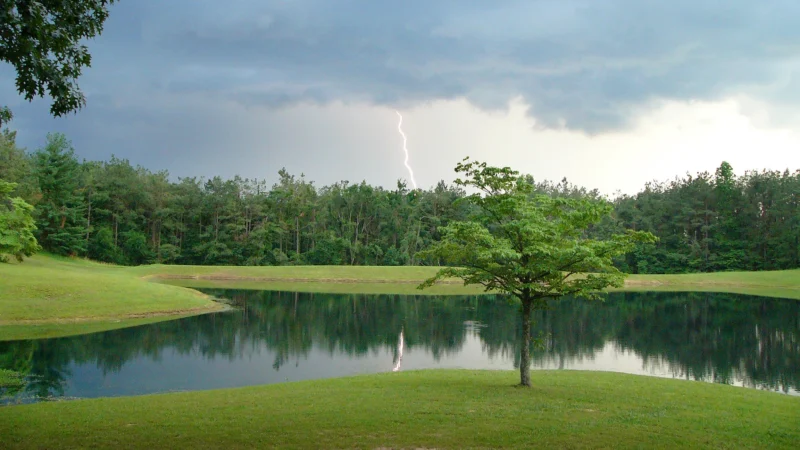
City parks, sports complexes, trails, splash pads, pools, campgrounds, and recreation centers often have visitors spread across wide areas. Automatic lightning and weather alerts can help staff clear fields, move guests away from open spaces, and communicate shelter instructions before conditions become more dangerous.
Schools, Campuses, and Athletic Facilities

Schools and college campuses need lightning safety plans for athletic fields, stadiums, band practice areas, outdoor classrooms, parking areas, and campus events. Integrated alerts can support athletic directors, coaches, campus safety teams, administrators, and facilities staff with consistent procedures for suspension, evacuation, and all-clear communication.
Outdoor Events and Venues

Concerts, festivals, fairs, rodeos, stadiums, amusement parks, and water parks need more than a general storm warning. They need clear, audible, and visible communication for crowds that may not know where to go. Giant voice sirens, text alerts, digital signage, and coordinated staff notifications can help people move calmly and quickly.
Industrial Facilities and Worksites

Industrial plants, utilities, refineries, construction sites, and maintenance yards often include outdoor crews, elevated work areas, metal structures, power systems, and high-noise environments. Lightning alerts can help supervisors pause work, secure equipment, protect personnel, and coordinate with safety teams before the storm reaches the site.
How Integrated Lightning Alerts Help Protect People
The strongest lightning safety programs use layered communication. That means the alert does not depend on one device, one person, or one channel. Instead, the system combines detection, decision-making, and communication tools so the right message reaches the right people quickly.
- Advance alerts when lightning is detected within defined distances.
- Outdoor warning sirens that notify people in open areas.
- Giant voice messages that provide clear instructions, not just tones.
- Text, phone, email, or app-based notifications for staff and decision-makers.
- Indoor alerts for classrooms, offices, control rooms, locker rooms, and production areas.
- Digital signage or visual alerts for entrances, concourses, and gathering points.
- Centralized control so authorized users can act quickly and consistently.
- Integration with weather sensors and emergency notification software.
- Data tracking for documentation, safety audits, and after-action reviews.
This type of layered system is especially useful for organizations that already rely on outdoor warning sirens or emergency notification software for tornado warnings, evacuations, severe weather alerts, campus safety, or industrial response. Lightning detection can become part of a broader mass notification strategy instead of standing alone as a separate tool.
What Should Happen After a Lightning Alert?
A lightning detection system works best when it supports a written safety plan. Before summer storm season, organizations should define the actions that happen after an alert. That plan may include who has authority to suspend activities, where people should shelter, how staff communicate with guests or employees, how accessibility needs are handled, and when operations can safely resume.
For many outdoor environments, the response may include pausing games or practices, clearing pools and splash pads, moving spectators from bleachers, stopping outdoor work, securing electrical or temporary event equipment, directing visitors to safe buildings or hard-topped vehicles, and keeping people sheltered until the all-clear criteria are met.
Build a Lightning Safety Plan Before the Next Summer Storm
Lightning is unpredictable, but your response does not have to be. The right system gives your team the tools to detect the threat, alert the right people, communicate clear instructions, and document the response. For outdoor spaces, that preparation can make the difference between confusion and coordinated action.
OmniWarn Public Safety designs custom lightning warning systems and mass notification solutions for communities, campuses, parks, industrial facilities, outdoor venues, and other organizations responsible for public safety. Our solutions can layer lightning detection, weather alerts, outdoor warning sirens, giant voice speakers, indoor warning systems, emergency notification software, installation, maintenance, and ongoing service into one practical safety strategy.
Ready to reduce lightning risk before summer storms put people in danger?
Contact OmniWarn Public Safety today to discuss a custom lightning detection and warning system for your organization.