
When a severe weather threat, evacuation, security incident, or public safety emergency develops, people need fast, clear information. That is why many cities, counties, campuses, industrial facilities, medical centers, military bases, and outdoor venues compare outdoor warning sirens vs. mass notification systems when planning a stronger emergency alert strategy.
Both tools matter, but they are not the same. Outdoor warning sirens are designed to alert people who are outside and may need to seek more information or take shelter. Mass notification systems can deliver targeted messages through software, mobile alerts, indoor alerts, voice systems, and other connected channels. Used together, they create a layered approach that helps reach more people in more situations.
For communities in Texas, Oklahoma, Arkansas, Louisiana, New Mexico, Arizona, and across the country, the best warning strategy often starts with one key question: how can we alert the right people, in the right place, through the right channels, at the right time?
What Are Outdoor Warning Sirens?
Outdoor warning sirens are high-power public alerting devices used to warn people in outdoor areas. Many communities rely on them for tornado warnings, severe weather threats, hazardous material incidents, industrial emergencies, evacuations, and other urgent events.
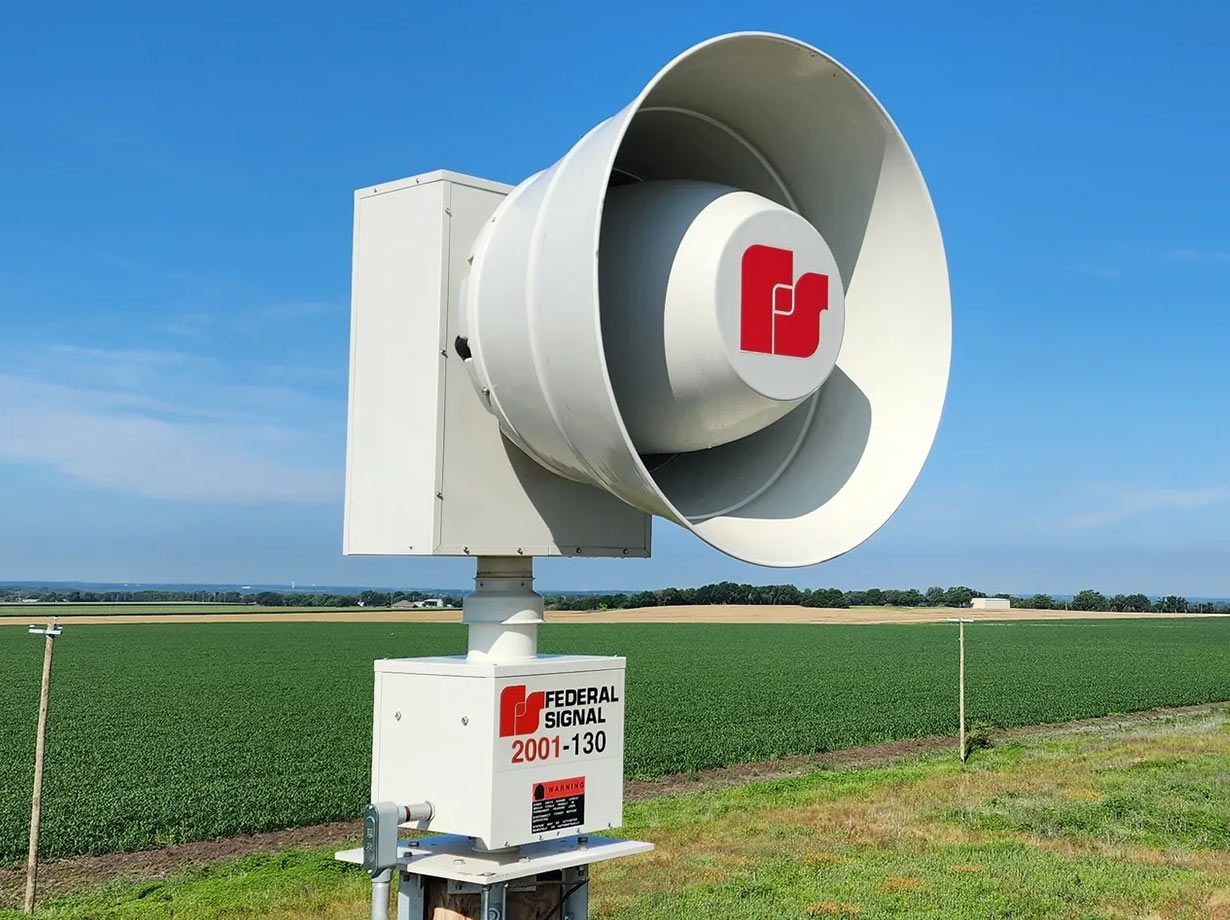
Outdoor sirens are especially useful when people are away from phones, radios, televisions, or indoor notification systems. Someone at a sports complex, park, campus walkway, construction site, outdoor event, parking lot, or public gathering may not see a text message right away. A siren gives that person a clear signal that something is wrong and that they should seek more information or move to safety.
Modern siren systems can include rotating sirens, omni-directional sirens, voice-capable systems, digital controllers, battery backup, radio controls, cellular controls, software integrations, and remote monitoring tools. As a factory-direct Federal Signal partner for the region, OmniWarn Public Safety helps organizations evaluate, design, install, service, and maintain outdoor siren systems that match the risk profile of each site.
What Are Mass Notification Systems?
Mass notification solutions use multiple communication channels to send alerts to specific people, groups, facilities, or geographic areas. Depending on the system design, this may include SMS, email, phone calls, desktop alerts, indoor warning systems, voice announcements, siren activation, mobile notifications, dashboards, and other connected alerting tools.
A mass notification system can help public safety teams share more detail than a siren alone. For example, a siren can tell people that there is an emergency. A message can explain what the threat is, who is affected, where to go, what to avoid, and when the situation changes.
That added context matters. The National Weather Service notes that tornadoes can happen at any time of day or year and have been reported in all 50 states. Its National Weather Service tornado safety guidance also emphasizes the importance of knowing what to do before, during, and after a tornado. Communities, campuses, and facilities need alerting tools that help people act quickly when minutes matter.
Outdoor Warning Sirens vs. Mass Notification Systems: The Main Difference
The simplest difference is this: outdoor warning sirens are primarily an outdoor alerting tool, while mass notification systems are broader communication platforms.
A siren is designed to get attention. It is immediate, loud, and effective for outdoor public warning. However, sirens are not built to provide detailed instructions unless they include voice capability. Even then, weather, terrain, distance, background noise, and facility layout can affect how clearly a message is heard.
A mass notification system can provide more detail and reach people through more channels. It can also support targeted alerts, internal team notifications, software workflows, and follow-up messages. However, phone-based and digital alerts may depend on device settings, connectivity, sign-ups, user behavior, and system configuration.
That is why the strongest answer is rarely “sirens or mass notification.” For public safety needs, the better answer is “sirens AND mass notification.”
Why Outdoor Sirens Still Matter
Some organizations wonder if outdoor warning sirens are still necessary because so many people carry mobile phones. In many cases, they are. Phones are powerful tools, but they are not perfect. Batteries die. Alerts may be disabled. Network conditions can change. Visitors may not be enrolled in local notification systems. Outdoor workers may not hear or check their phones in time.
Outdoor warning sirens help fill that gap. They can alert people who are outdoors, transient, working, recreating, commuting, or attending a public event. They also provide a visible and audible public safety presence that many communities recognize.
For cities, counties, schools, parks departments, industrial sites, and campuses, sirens can be an essential part of public safety emergency warning systems. They are especially valuable in areas with tornado risk, severe thunderstorm risk, hazardous material exposure, wildfire concerns, flooding concerns, or large outdoor gatherings.
Why Mass Notification Systems Matter
A siren can warn people to take action, but many emergencies require instructions. Should people shelter in place? Evacuate? Avoid a certain road? Move away from a spill area? Stay indoors? Report to a designated assembly point?
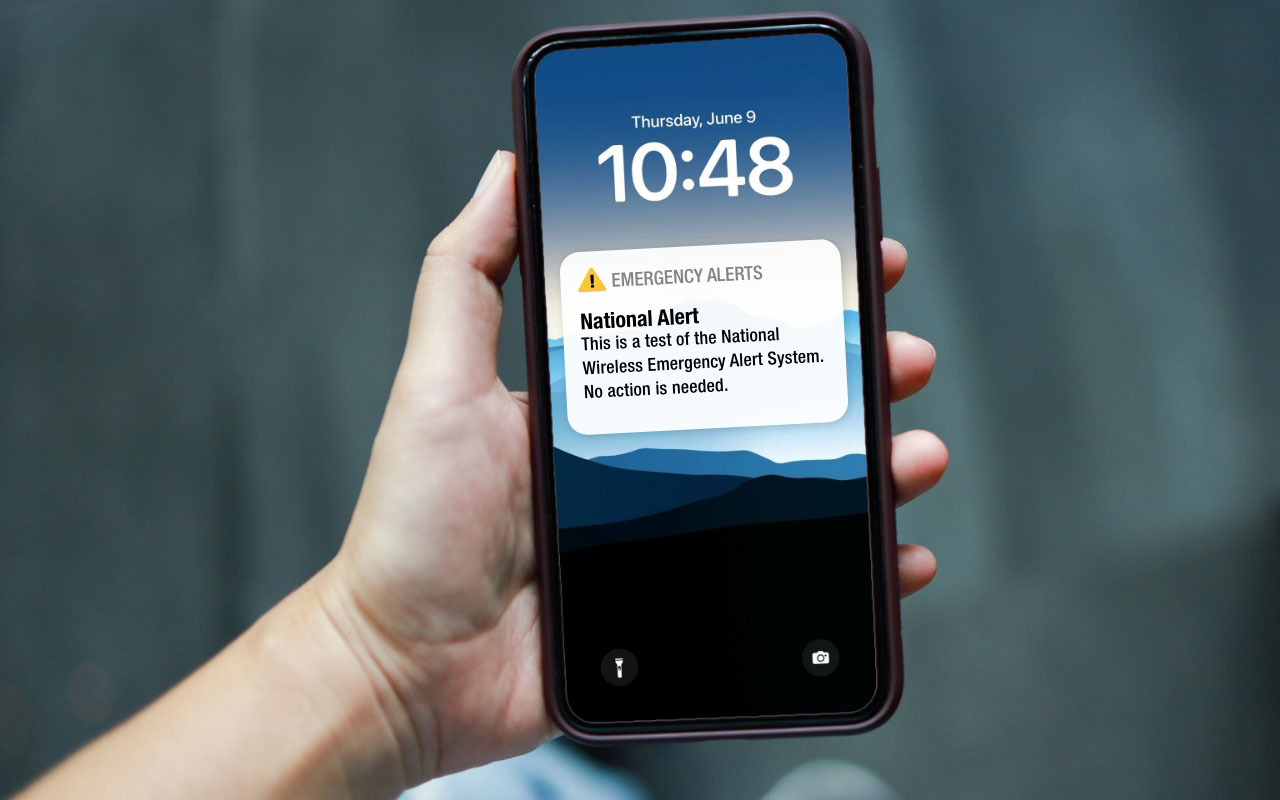
That is where emergency notification software and broader mass notification tools become important. They allow authorized personnel to send specific messages to the right audience. A city can alert residents in a defined area. A college can notify students, faculty, staff, and visitors. An industrial plant can alert employees and contractors. A hospital can send different instructions to security, administration, facilities, clinical teams, and visitors.
Mass notification also supports follow-up. After the first alert goes out, emergency managers may need to send updates, all-clear messages, route changes, weather updates, or instructions from local public safety agencies. A layered system gives teams more flexibility during fast-changing events.
How Layered Warning Systems Work
A layered warning system uses more than one method to reach people. The goal is not to assume one alerting tool will reach everyone. Instead, the system is designed with backup, overlap, and context.
For example, a city may use outdoor warning sirens to alert people outside, software to trigger alerts from a central platform, SMS notifications to reach subscribers, indoor alerts for public buildings, weather sensors for hazard detection, and dispatch procedures for activation. A college campus may use sirens, indoor notification, desktop alerts, mobile messages, giant voice systems, and security team notifications. An industrial facility may combine sirens, voice alerts, indoor systems, cameras, sensors, and emergency operations protocols.
OmniWarn Public Safety helps organizations evaluate these needs through professional warning system design. A well-designed system considers coverage area, population density, topography, facility layout, hazard types, activation procedures, communication channels, maintenance access, and future expansion.
When Outdoor Warning Sirens Are the Right Priority
Outdoor sirens should be a top priority when the organization needs to warn people across outdoor spaces. This includes cities, counties, campuses, industrial plants, outdoor event venues, parks, recreation areas, military bases, and public facilities.
They are especially important when people may not be enrolled in a notification system. A visitor at a park, a vendor at a festival, a contractor at a plant, or a driver passing through town may still hear a siren even if they are not part of the local alert database.
Outdoor sirens also support public expectations. In many communities across Texas and Oklahoma, residents understand that a warning siren means they should seek shelter or get more information. That recognition can make sirens a valuable part of community readiness.
When Mass Notification Should Be the Priority
Mass notification should be a priority when the organization needs to send detailed messages to defined groups. This often applies to government agencies, campuses, healthcare facilities, industrial facilities, military bases, outdoor venues, and organizations with employees, residents, visitors, contractors, or multiple locations.
Mass notification systems for governments are also useful when emergency managers need to coordinate with public works, first responders, dispatch, leadership teams, and the public. For facilities, notification software can help internal teams respond faster and more consistently.
Mass notification becomes even more valuable when paired with trained staff, clear activation rules, testing schedules, and ongoing system maintenance.
What Communities Should Consider Before Choosing a System
Before investing in sirens, software, or a combined system, decision-makers should start with the risks they need to manage. Severe weather may be the first concern, but it is not the only one. Communities and facilities may also need to prepare for floods, wildfires, high winds, lightning, hazardous materials, security incidents, evacuation orders, utility failures, and large public gatherings.
Next, leaders should consider who needs to be reached. Residents, visitors, workers, students, patients, staff, contractors, and outdoor crowds may all require different alerting methods. A single tool may not reach every group equally well.
Coverage also matters. Siren placement, sound propagation, terrain, building density, trees, background noise, and facility boundaries can affect outdoor alerting performance. That is why professional design is important before installation. OmniWarn supports customers with warning system installation, system planning, and long-term support so each project is built around real-world conditions.
Maintenance Is Part of the System
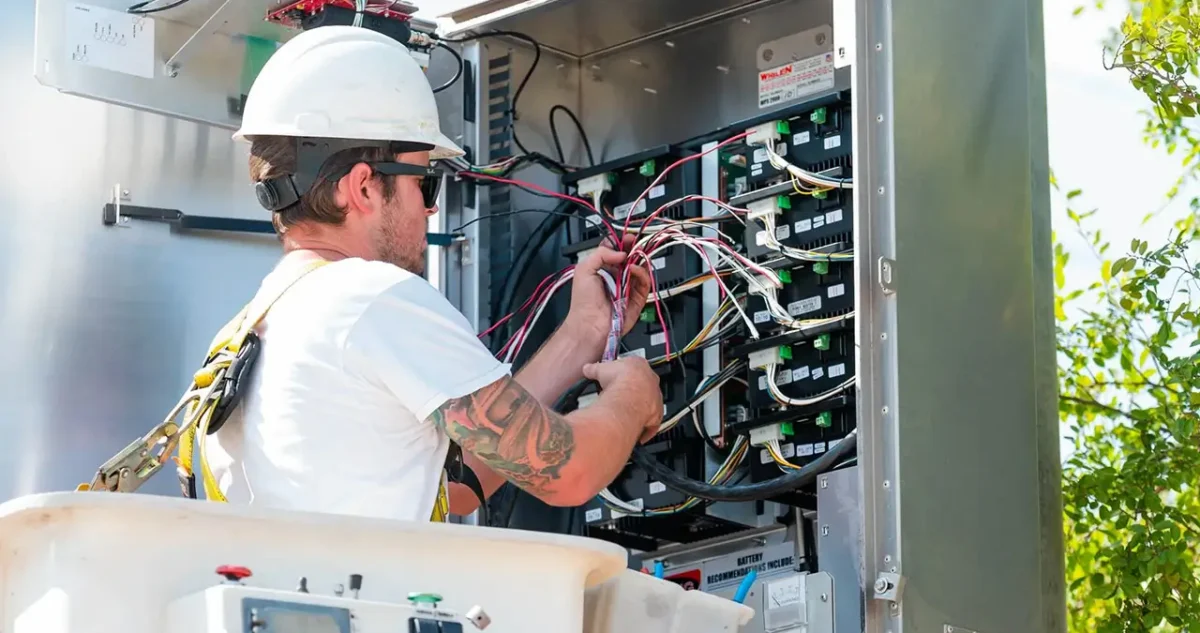
A warning system is not finished when equipment is installed. Sirens, controllers, software, batteries, radios, sensors, and related components need routine testing and service. Staff also need to understand when and how to activate alerts.
Regular siren repair and maintenance helps reduce the risk of equipment problems during an actual emergency. It can also reveal aging components, communication issues, power concerns, controller problems, and coverage gaps.
For cities, counties, campuses, and facilities with older siren systems, modernization may be the right path. Upgrades can improve reliability, activation, monitoring, and integration with modern alerting platforms.
The Best Choice Is Usually a Layered Strategy
Outdoor warning sirens and mass notification systems solve different parts of the same public safety challenge. Sirens help alert people outside quickly. Mass notification systems help deliver instructions, updates, and targeted communication. Together, they can create a stronger, more flexible warning strategy.
That layered approach is especially important for organizations in Texas and Oklahoma, where severe weather planning is a major public safety concern. It also applies across Arkansas, Louisiana, New Mexico, Arizona, and nationwide for communities and facilities that need dependable emergency communication.
OmniWarn Public Safety provides factory-direct Federal Signal sales, service, and installation in its authorized regional territory, along with nationwide sales and service support. The team helps customers design, install, service, and maintain warning systems that combine outdoor sirens, mass notification tools, indoor alerts, giant voice systems, sensors, cameras, software, and related technologies.
Talk With OmniWarn Public Safety About Your Warning System
If your community, campus, facility, or organization is comparing outdoor warning sirens vs. mass notification systems, OmniWarn Public Safety can help you evaluate the right approach. The best solution may be a new siren system, a mass notification platform, an upgrade to existing equipment, or a layered strategy that connects multiple alerting tools.
Talk with OmniWarn Public Safety to request a warning system consultation, discuss Federal Signal outdoor warning sirens, or plan a complete emergency alert system for your site.
Request Your Free Consultation
Frequently Asked Questions
Are outdoor warning sirens the same as mass notification systems?
No. Outdoor warning sirens are designed to alert people outdoors, while mass notification systems can send detailed messages through software, mobile alerts, indoor alerts, voice systems, and other channels. Many organizations benefit from using both.
Do communities still need outdoor warning sirens if people have cell phones?
In many cases, yes. Cell phones are valuable, but not everyone receives, hears, or sees a mobile alert in time. Outdoor sirens help warn people who are outside, away from devices, visiting the area, or not enrolled in a local alert system.
What should a community consider before installing outdoor warning sirens?
Communities should consider hazard types, coverage areas, population density, terrain, siren placement, activation methods, control systems, maintenance needs, and how sirens will work with other public alerting tools.
Can outdoor sirens and mass notification software work together?
Yes. A layered warning system can connect sirens, software, indoor alerts, voice systems, sensors, and other tools. This helps public safety teams alert people quickly and provide more specific instructions.
Who should use a layered emergency warning system?
Layered systems are useful for cities, counties, college campuses, industrial plants, medical facilities, military bases, nuclear plants, parks, recreation areas, outdoor venues, and other organizations responsible for public safety.